



Table of Contents
Ransomware Attacks has a meteoric rise to being considered one of the major threats to cybersecurity in modern-day life. Whether you are an individual simply browsing the internet or an organization handling sensitive data, ransomware poses imminent threats to all. This guide looks at everything you need to know, ranging from its origin to types of ransomware, ransomware prevention, ransomware protection, removal, and future ransomware trends.
What is Ransomware?
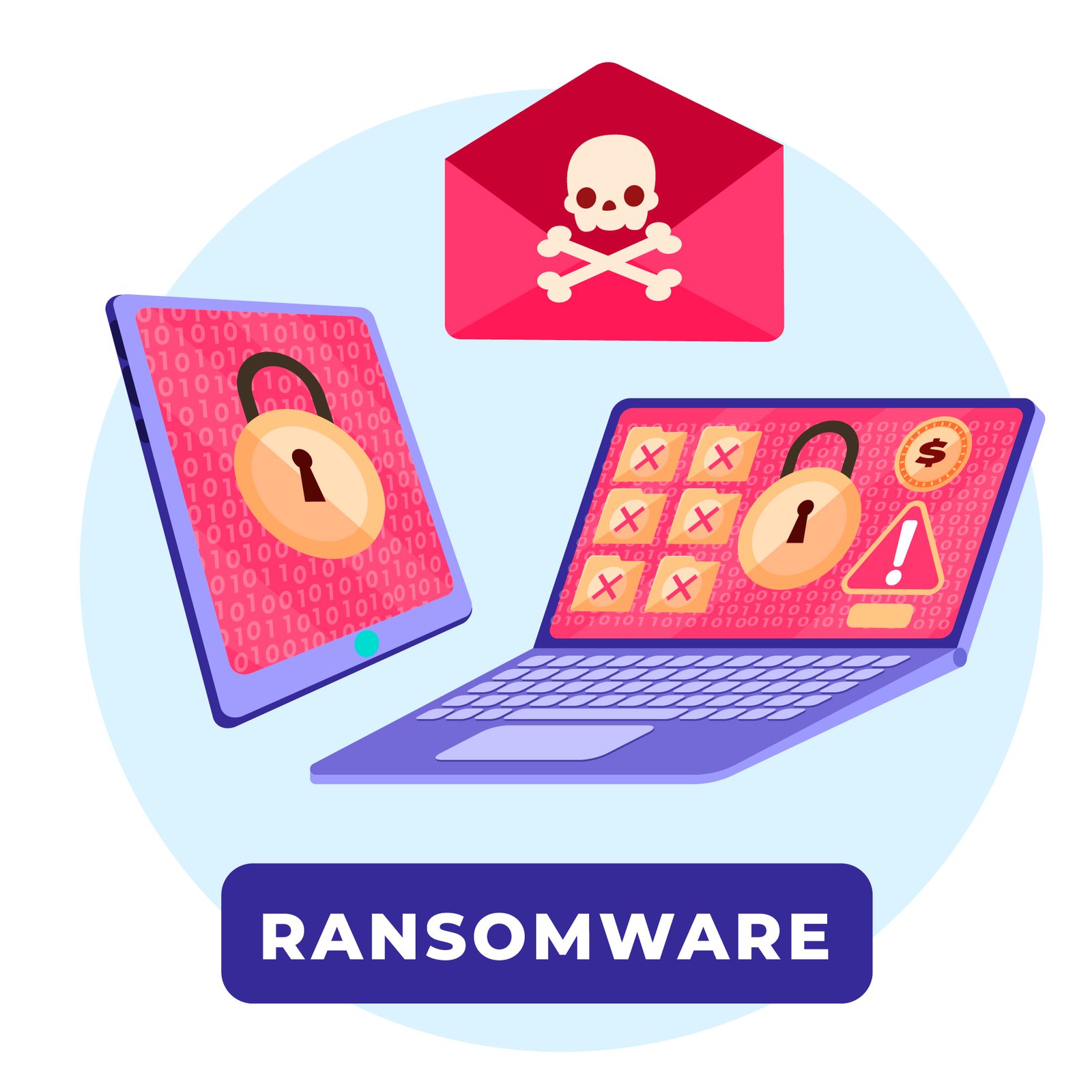
What is ransomware? Ransomware is a kind of malware used to block access to files or total systems in exchange for ransom. Unlike other malware that merely steals information, ransomware is primarily about extortion.
- Encrypts files and renders them inaccessible;
- Asks for ransom in cryptocurrency (Bitcoin, Monero, etc.);
- Threatens certain ramifications such as permanent deletion or public data leaks.
👉 Simply put: ransomware holds your digital assets hostage until you pay. These ransomware attacks continue to grow in frequency and scale.
A Brief History of Ransomware
Ransomware history shows that this threat has been evolving for decades, turning with technological advances:
- 1989 – AIDS Trojan (PC Cyborg Virus): The first ransomware ever created. Distributed by floppy disks and payment by mail demanded.
- 2000s – Fake Antivirus Programs: For minimizing the harms caused by nonexistent viruses, victims paid out.
- 2013 – CryptoLocker: Began with high encryption and stimulated broad-scale attacking acts.
- 2017 – WannaCry and NotPetya: Paralyzing hospitals, shipping companies, and governments—these two famous ransomware attacks would be remembered.
- Currently – Ransomware-as-a-Service (RaaS): Syndicates rent attack kits to affiliates, turning an underground business into successful commercial concerns.
How Ransomware Works: Step-by-Step Lifecycle
Ransomware happens to be one of the most destructive cyber threats: it locks files and only opens for a fee. Understanding its ransomware lifecycle helps organizations prepare to respond.
- Infection – The attack starts with ransomware through phishing emails, malicious downloads, or unpatched vulnerabilities.
- Execution – The malware disables antivirus/security tools and spreads further.
- Encryption – The ransomware encodes files, including documents, databases, and backups.
- Ransom Note – Victims receive instructions for paying in cryptocurrency.
- Extortion – Double or triple extortion threatens to release or sell stolen data.
- Resolution – Victims must decide whether to pay, restore from backups, or accept data loss.
Types of Ransomware
Ransom has become one of the most damaging forms of cybercrime. Yet it does not come in a single form. These ransomware examples differ in how they attack victims and extort funds:
- Locker Ransomware – Blocks access to systems, freezing screens with ransom demands.
- Crypto Ransomware – Encrypts valuable files and demands Bitcoin payment.
- Double Extortion Ransomware – Encrypts data while also threatening to leak or sell it.
- Ransomware-as-a-Service (RaaS) – Criminal groups lease ransomware kits to affiliates, fueling widespread ransomware attacks.

Famous Ransomware Attacks
- WannaCry (2017): A global outbreak infecting 200,000+ devices. Learn more about how it spread and impacted institutions worldwide — from the NHS to Boeing — in this thorough overview by Wikipedia: WannaCry ransomware attack Wikipedia.
- NotPetya (2017): Functioned as a wiper, causing billions in damages. For an in-depth breakdown of its destructive nature, targets like Maersk, and the staggering $10 billion cost, check out this detailed article from WIRED: “The Untold Story of NotPetya, the Most Devastating Cyberattack in History”WIRED.
- Ryuk (2018–2021): Aimed at enterprises and governments with multimillion-dollar demands.
- LockBit (2020–Present): A dominant RaaS group with worldwide affiliates. Want to dive deeper? This CISA advisory on understanding LockBit’s operations and its prevalence across critical infrastructure sectors is excellent: Understanding Ransomware Threat Actors: LockBitCISA.
Impact of Ransomware
The consequences of ransomware attacks extend far beyond financial loss:
- Financial Damage: Ransom payments, downtime, data recovery, lost revenue.
- Reputation Damage: Customers lose trust when data is compromised.
- Operational Disruption: Hospitals, schools, and governments face shutdowns.
- Legal & Regulatory Risks: Laws like GDPR and CCPA impose strict obligations.
A 2022 report estimated that global ransomware damages exceeded $20 billion, and the figure continues to rise.
Prevention and Protection
For Individuals
- Keep operating systems and applications updated.
- Use strong, unique passwords with two-factor authentication.
- Regularly back up files and store them offline.
- Be cautious with suspicious emails, attachments, and links.
For Organizations
- Deploy endpoint detection and response (EDR) solutions.
- Conduct phishing awareness training for employees.
- Segment networks to prevent lateral spread.
- Apply security patches promptly.
- Develop and test an incident response plan.
Effective ransomware prevention and ransomware protection strategies are critical to reduce risks.
How to Protect Against Ransomware
In addition to general prevention, organizations should adopt a layered security approach:
- Enable firewalls and intrusion detection systems.
- Monitor network traffic for anomalies.
- Disable macros in email attachments.
- Secure remote access (VPNs, MFA, restricted RDP).
- Implement a “Zero Trust” security framework.
How to Remove Ransomware
If infected, immediate steps are crucial for how to remove ransomware:
- Isolate the infected system.
- Identify the ransomware strain using security tools.
- Look for free decryptors on resources like No More Ransom.
- Restore from backups if available.
- Wipe and rebuild the system as a last resort.
Ransomware Response Plan
A structured ransomware response plan ensures organizations respond effectively:
- Contain the attack (disconnect infected devices).
- Alert security/IT teams for investigation.
- Report to law enforcement and regulators.
- Communicate transparently with stakeholders.
- Recover from backups or clean systems.
- Review and strengthen defenses.
The Future of Ransomware
Experts predict ransomware trends will continue evolving:
- AI-driven phishing attacks.
- Cloud and IoT targeting.
- Triple extortion threats.
- Cyber warfare involvement.
- Mandatory ransom payment disclosures.
Legal and Ethical Issues: Should Victims Pay?
This remains one of the most debated topics in cybersecurity:
- For Paying: Rapid service restoration, avoiding reputational harm.
- Against Paying: No guarantee of recovery; encourages more attacks.
- Best Practice: Experts advise not to pay. Strong ransomware protection, offline backups, and incident response plans help organizations avoid paying criminals.
Conclusion
It is well established that ransomware can harm individuals, businesses, and even governments worldwide. The more we understand about ransomware history, famous ransomware attacks, attack vectors, and ransomware prevention, the better we can reduce risks and build resilience. The best preparation is half the battle: strong backups, good cybersecurity hygiene, and a solid ransomware response plan.
Find more content on our website here.